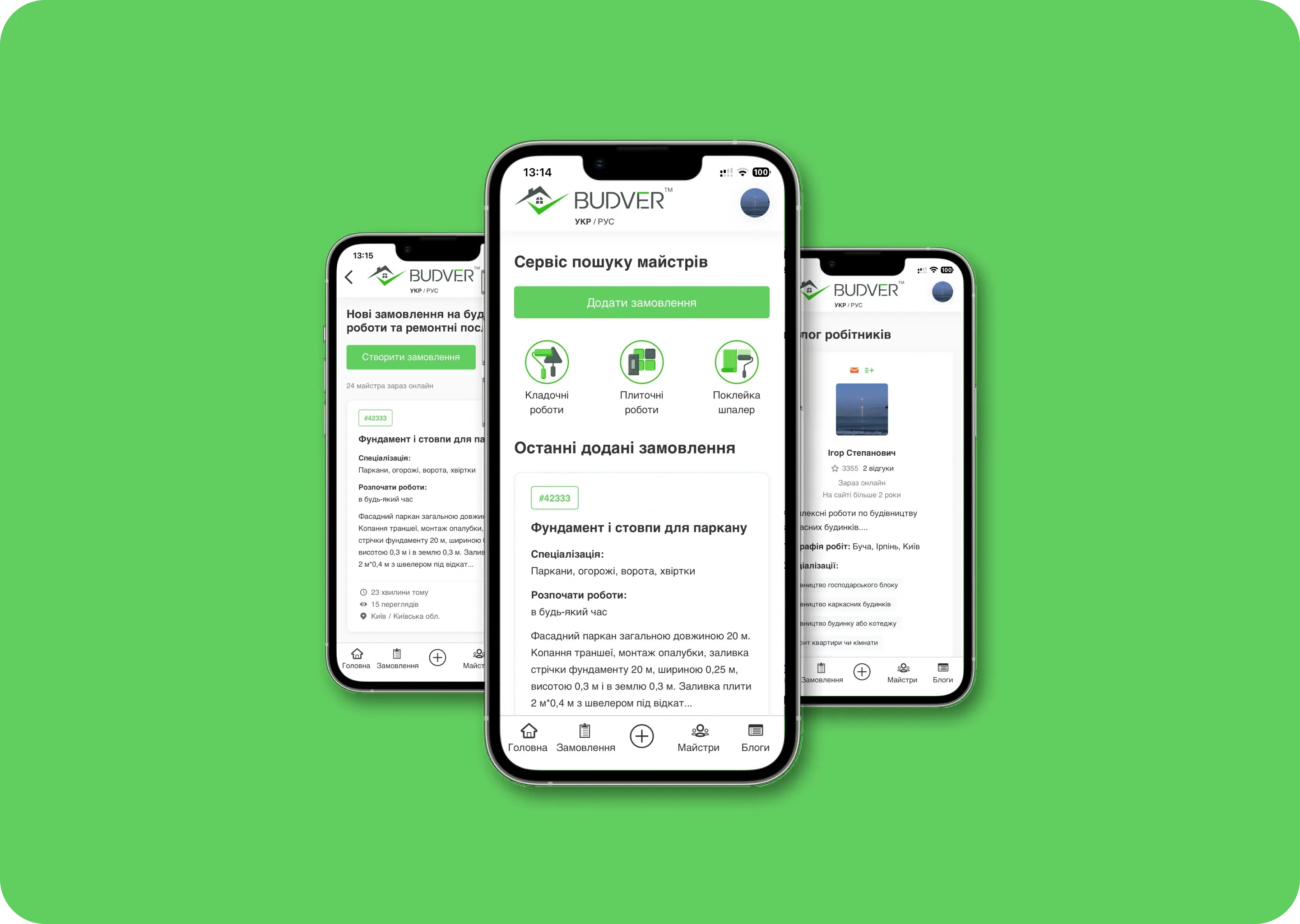
Створення сайту — це комплексний процес, що охоплює всі етапи від ідеї до запуску та подальшого розвитку проєкту. Робота починається з аналізу бізнесу, цільової аудиторії та конкурентів, щоб сформувати ефективну структуру і функціонал майбутнього ресурсу. Далі розробляється прототип і дизайн, які забезпечують зручність користування та сучасний вигляд.
Аналізуємо бізнес, цільову аудиторію та конкурентів. Визначаємо цілі сайту, його функціонал і ключові сценарії взаємодії користувачів, щоб майбутній ресурс ефективно вирішував бізнес-задачі.
Розробляємо карту сайту, продумуємо розділи, навігацію та логіку переходів. Формуємо зручну архітектуру, яка допомагає користувачам швидко знаходити інформацію.
Створюємо прототипи сторінок із розміщенням контенту, кнопок і форм. Це дозволяє погодити структуру та користувацькі сценарії до початку дизайну.
Розробляємо індивідуальний дизайн сайту з урахуванням бренду та сучасних трендів. Забезпечуємо зручність користування, зрозумілу навігацію та привабливий вигляд.
Виконуємо адаптивну верстку та програмування функціоналу. Підключаємо форми зворотного зв’язку, аналітику, CRM, онлайн-оплати та інші необхідні інтеграції.
Оптимізуємо швидкість завантаження, налаштовуємо SEO-параметри, додаємо контент і готуємо сайт до індексації пошуковими системами.
Перевіряємо роботу сайту на різних пристроях і браузерах, усуваємо помилки та запускаємо проєкт. За потреби надаємо підтримку та подальший розвиток.
Якщо вам потрібен сучасний, швидкий та ефективний сайт, який не просто виглядає красиво, а реально працює на результат — ви звернулися за адресою. Ми створюємо сайти, що допомагають бізнесу залучати клієнтів, формувати довіру та збільшувати продажі.
Залиште заявку у формі — ми зв’яжемося з вами, уточнимо деталі, порадимо оптимальний формат сайту та підготуємо індивідуальну пропозицію. Без зобов’язань і зайвих дзвінків — лише конкретика та результат.
Ми — 1 Web Development, команда, яка створює ефективні сайти та digital-рішення для бізнесу. Для нас сайт — це не просто дизайн і код, а повноцінний інструмент, який допомагає залучати клієнтів, підвищувати продажі та масштабувати компанію в онлайн-середовищі.
Ми працюємо з різними нішами та проєктами, але головний принцип залишається незмінним — кожен сайт має приносити результат. Саме тому ми поєднуємо аналітику, сучасний підхід до дизайну та технічну експертизу, щоб створити продукт, який дійсно працює.
Ми займаємося розробкою сайтів під ключ — від ідеї до запуску та подальшого розвитку. Для нас важливо не просто створити красиву сторінку, а побудувати логічну структуру, яка веде користувача до цільової дії: заявки, дзвінка або покупки.
У процесі роботи ми детально аналізуємо бізнес клієнта, його конкурентів і поведінку аудиторії. Це дозволяє створити рішення, яке відповідає реальним задачам, а не лише виглядає сучасно. Кожен етап — від прототипу до фінального продукту — проходить з урахуванням майбутнього просування та конверсії.
Ми працюємо з різними типами проєктів: від landing page до складних веб-сервісів та інтернет-магазинів. При цьому особливу увагу приділяємо швидкості роботи сайту, адаптивності та зручності використання на всіх пристроях.
Ми будуємо роботу таким чином, щоб клієнт отримував повний цикл послуг в одній команді. Це дозволяє уникнути ситуацій, коли різні підрядники не синхронізовані між собою, і в результаті страждає якість продукту.
Наша робота включає всі ключові етапи створення digital-продукту:
Ми не зупиняємося на етапі запуску — важливо, щоб сайт продовжував розвиватися і приносити результат. Саме тому ми також працюємо з підтримкою, оптимізацією та масштабуванням проєктів.
Ми переконані, що сайт повинен одразу бути готовим до просування. Тому ще на етапі розробки ми закладаємо всі необхідні SEO-основи: правильну структуру, оптимізований код, швидке завантаження та адаптацію під мобільні пристрої.
Ми працюємо з пошуковим просуванням, яке дозволяє отримувати стабільний органічний трафік. Це один із найефективніших способів залучення клієнтів у довгостроковій перспективі, адже дозволяє зменшити залежність від платної реклами та забезпечити постійний потік заявок.
Обираючи 1 Web Development, клієнти в першу чергу шукають не просто виконавця, а партнера, який здатен зрозуміти бізнес і запропонувати ефективне рішення. Ми підходимо до кожного проєкту не як до стандартного завдання, а як до індивідуальної задачі, де важливо врахувати нішу, конкурентне середовище, поведінку користувачів і кінцеву ціль — отримання результату.
За роки роботи ми побачили одну й ту ж проблему: багато сайтів створюються без чіткого розуміння, навіщо вони потрібні бізнесу. Вони можуть виглядати сучасно, але не виконують свою основну функцію — не продають. Саме тому ми змінюємо підхід до розробки і фокусуємося на ефективності. Перед початком роботи ми детально аналізуємо бізнес, формуємо структуру сайту, продумуємо логіку взаємодії користувача і лише після цього переходимо до дизайну та розробки.
Наша команда поєднує технічну експертизу та маркетингове мислення. Це означає, що кожне рішення, яке ми реалізуємо, має під собою конкретну мету: збільшити конверсію, покращити взаємодію користувача з сайтом або підготувати платформу до ефективного просування. Ми не працюємо за шаблонами, якщо вони не дають результату, і завжди шукаємо оптимальний шлях саме для конкретного бізнесу.
Наш підхід базується на кількох ключових принципах:
До нас звертаються як компанії, які тільки починають свій шлях в інтернеті, так і бізнеси, які вже мають досвід і хочуть масштабуватися. Ми підбираємо рішення залежно від задач, бюджету та етапу розвитку проєкту.
Найчастіше нашими клієнтами є:
У результаті роботи з нами клієнт отримує не просто сайт, а повноцінний інструмент для розвитку бізнесу. Це продукт, який швидко працює, зручно виглядає та відповідає вимогам пошукових систем.
Ми створюємо рішення, які допомагають бізнесу стабільно залучати клієнтів, збільшувати продажі та займати сильні позиції у своїй ніші.
Якщо вам потрібен сайт, який дійсно приносить результат, ми в 1 Web Development готові взяти на себе весь процес — від аналізу бізнесу до запуску готового продукту. Ми не працюємо за шаблонами і не пропонуємо універсальних рішень, адже кожен бізнес має свої задачі, цілі та аудиторію. Саме тому ми занурюємося в проєкт, щоб створити сайт, який буде не просто виглядати сучасно, а реально працювати як інструмент продажів.
Замовляючи розробку у нас, ви отримуєте не просто виконавця, а команду, яка зацікавлена у вашому результаті. Ми створюємо рішення, які допомагають бізнесу стабільно залучати клієнтів, підвищувати конверсію та розвиватися в довгостроковій перспективі. Якщо ви хочете отримати сайт, який буде приносити дохід, залиште заявку — ми запропонуємо оптимальне рішення під ваші задачі та бюджет.
Якщо вам потрібен сайт, який дійсно приносить результат, ми готові допомогти. Ми проаналізуємо ваш бізнес, запропонуємо оптимальне рішення та реалізуємо проєкт, який буде ефективним у довгостроковій перспективі.